As we look forward to 2026, it’s important to look back at the trends and shifts of the past. Design in 2025 emphasizes emotional resonance. Spaces aren’t just for display; they are intended to feel like sanctuaries, places of comfort, relaxation, wellness, and personal history. Pure minimalism, empty, cold, impersonal, is no longer enough. The trend now is for warmth, texture, depth, and meaningful design choices. Generic surfaces and over-polished uniformity are being replaced by character rich materials, handcrafted elements, and design that respect individuality rather than mass-produced homogeneity.
Interior design is moving toward areas that are cozy, tactile, expressive, and intimate. Comfort, craftsmanship, and character are prioritized over strict simplicity.
Furniture with curves and sculptures is becoming increasingly popular. Rigid lines have been replaced with soft edges, rounded shapes, and flowing lines in sofas, sectionals, accent chairs, and dining tables, giving them a more organic and inviting appearance. Oversized, soft, and tactile pieces of ‘fat furniture’ are becoming more common. These styles make a striking visual statement while providing roomy proportions, rich upholstery, and comfortable support to encourage relaxation.
Furniture is increasingly being treated as art and as a functional statement piece. Sculptural coffee tables, organic shaped chairs, and standout cabinetry are becoming focal points that define the mood of a space.
Flexibility and multifunctionality are becoming essential. Furniture in 2026 is made to adapt to changing lifestyles, such as remote work and hybrid living, with modular systems and adaptable layouts that make it simple to switch between work, leisure, and entertainment. Think of furniture not just as functional, but as sculptural, carefully curated pieces designed to anchor the space, offer comfort, and create a visual statement.
Ripple fold drapery is a perfect example of where form, function, and sculptural design come together in a way that feels both intentional and effortless. It is inherently structural and engineered for performance, yet not rigid in its lines. It does not separate form from function but allows the two to work together efficiently. Its beauty is a direct result of its function: the track system dictates the spacing, the spacing creates the wave, and the wave becomes the visual statement. Even when extended, the fabric creates soft folds and repeat curves that reinforce its sculptural presence.
Like the furniture, sculpture is becoming a focal point: ripple fold drapery performs like a system, moving beautifully without being decorative for decoration’s sake, reads like architecture, and moves like art.
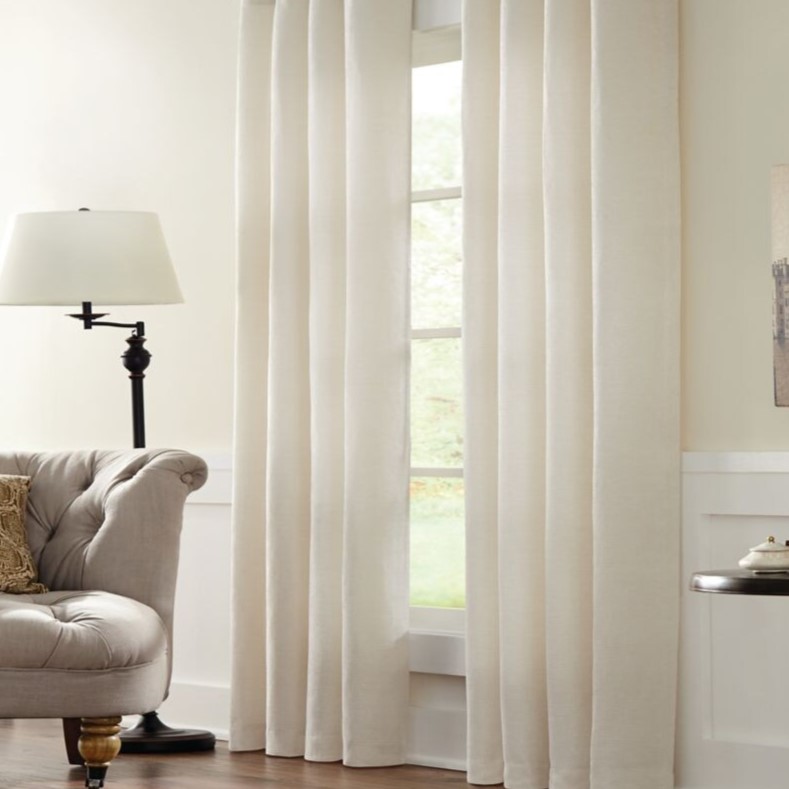
Cozy drapery is gaining popularity in 2026. People are gravitating towards fabrics that feel comforting and grounding, layering cozy drapery with sheers and linings for fuller looks. Cozy does not mean heavy or dark, but instead, warmth and softness. Pairing sheers and linings with heavier, textured drapery, naming linen-blend drapery, for added flexibility, depth, and comfort.
Earth-grounded and nature-inspired palettes are becoming dominant. Warm terracotta, olive, clay, ochre, muted neutrals, and soft creams are replacing the cool greys and stark whites of previous years. Tonal layering and monochrome design are gaining strength. A single-color scheme, such as a blue room or an olive room, layered with varied textures, finishes, and tones creates a cohesive look with depth and mood.
Rich accent tones are making a strong return. Deep plums, jewel like forest greens, aubergines, and muted teals or burgundies add elegance and drama when used with intention.
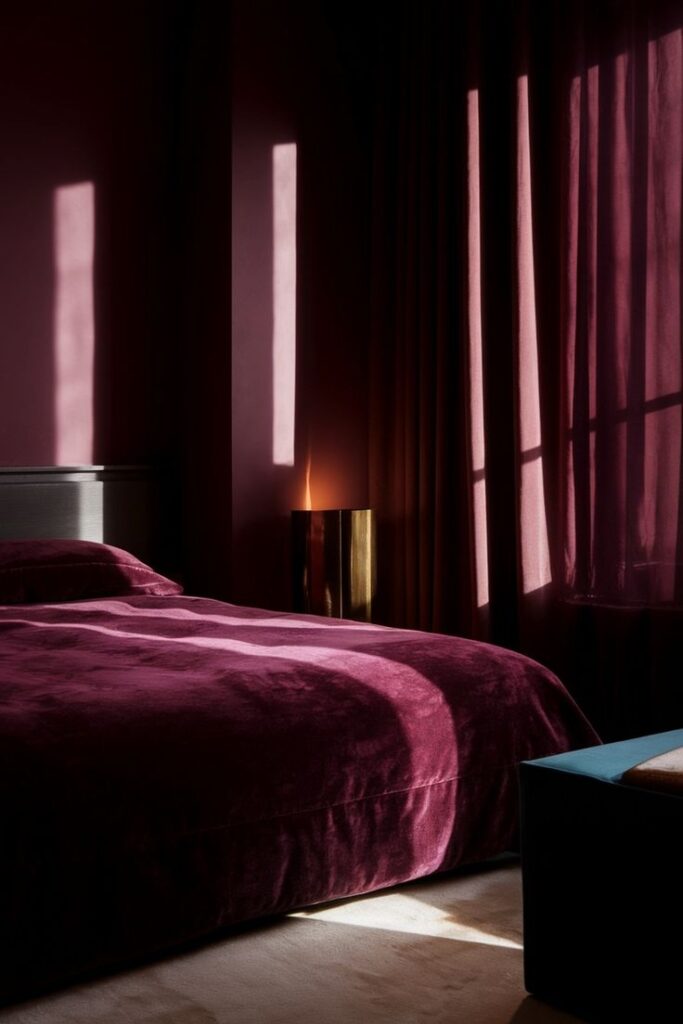
Velvet drapery functions as a rich accent even when used in a single colour or neutral tone. The fabric speaks for itself in its boldness. One of the most admirable qualities about velvet material is its depth. As the fabric reacts to light, velvet appears to change, adding variation, movement, and dimension. Through these elements, the fabric creates visual richness.
Comforting and grounding neutrals, including creams, soft taupe, and warm browns, remain essential. These shades now appear with richer undertones and are often paired with natural wood or brass elements to elevate the overall palette.
The overall color direction for 2026 focuses on warmth, depth, and expressiveness, creating spaces that feel grounded, refined, and full of personality.
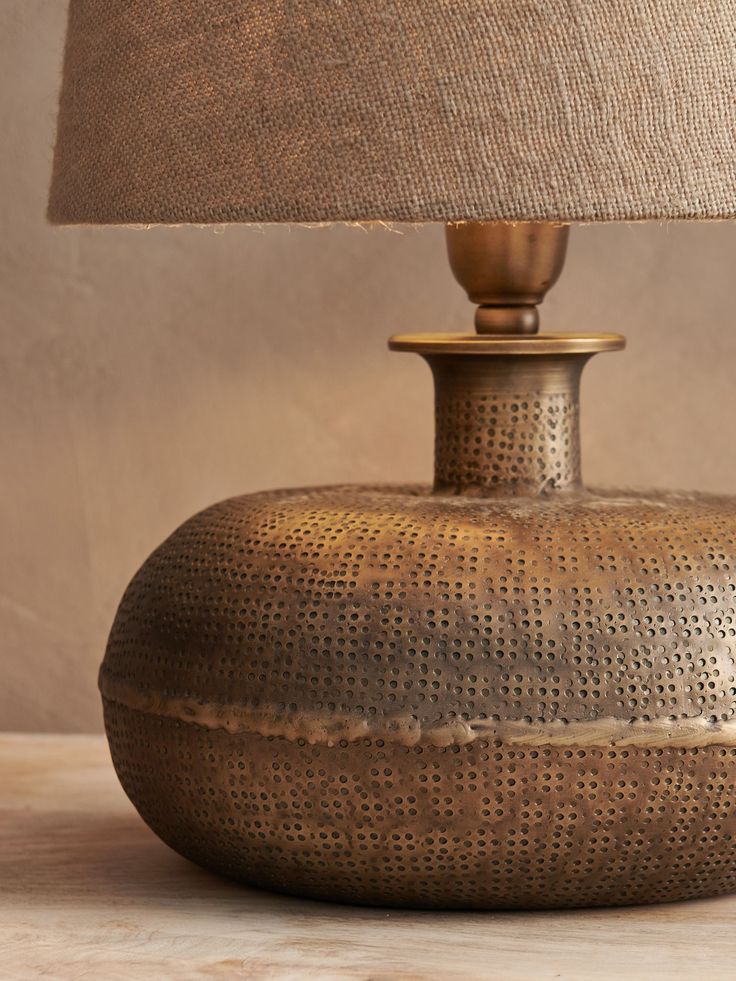
Velvet creates warmth through material and colour, as it is most often seen in grounded earthy and jewel tones. Ochre, deep sand, clay, deep plum, forest green, navy blue, and cocoa are some common colours that will be seen in 2026. The colours reference nature hues directly and help in anchoring a space.
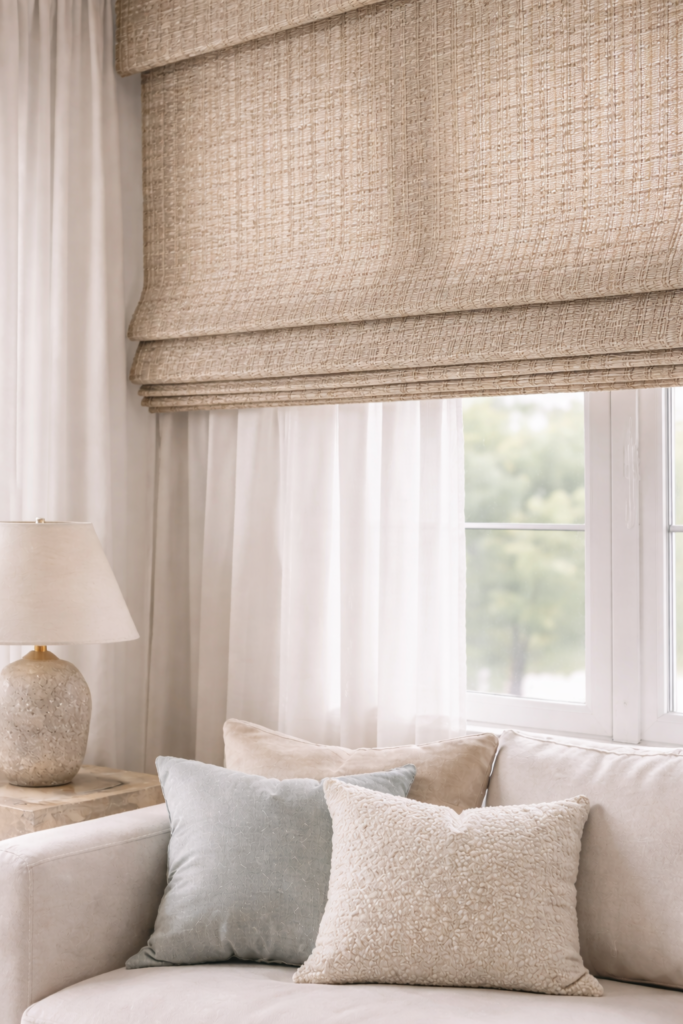
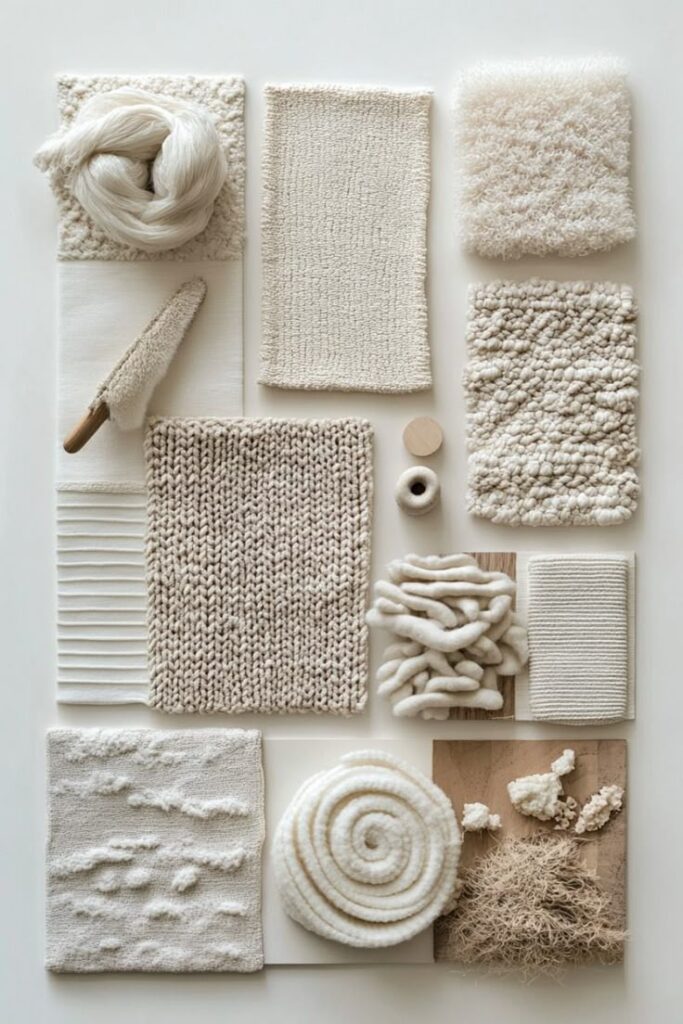
Natural materials and sustainability are becoming increasingly important. Designers are using more wood, stone, linen, wool, woven fabrics, and other organic materials. Sustainability and artistry, rather than mass production, are becoming more highly valued. Texture is becoming a central design element. Boucle, velvet, linen upholstery, matte wood, stone, and mixed material furniture create spaces that invite touch and add depth, warmth, and sensory richness.
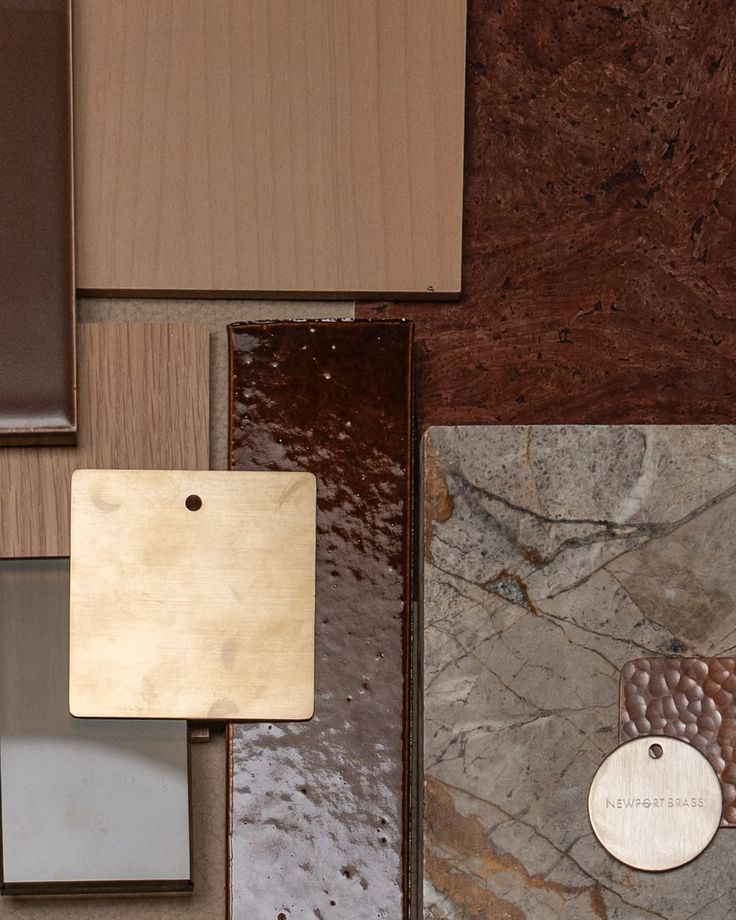
Mixed surfaces and layered finishes are gaining popularity. Designers are combining wood with metal or glass, stone with soft textiles, and smooth finishes with rougher ones to create contrast, dimension, and visual interest.
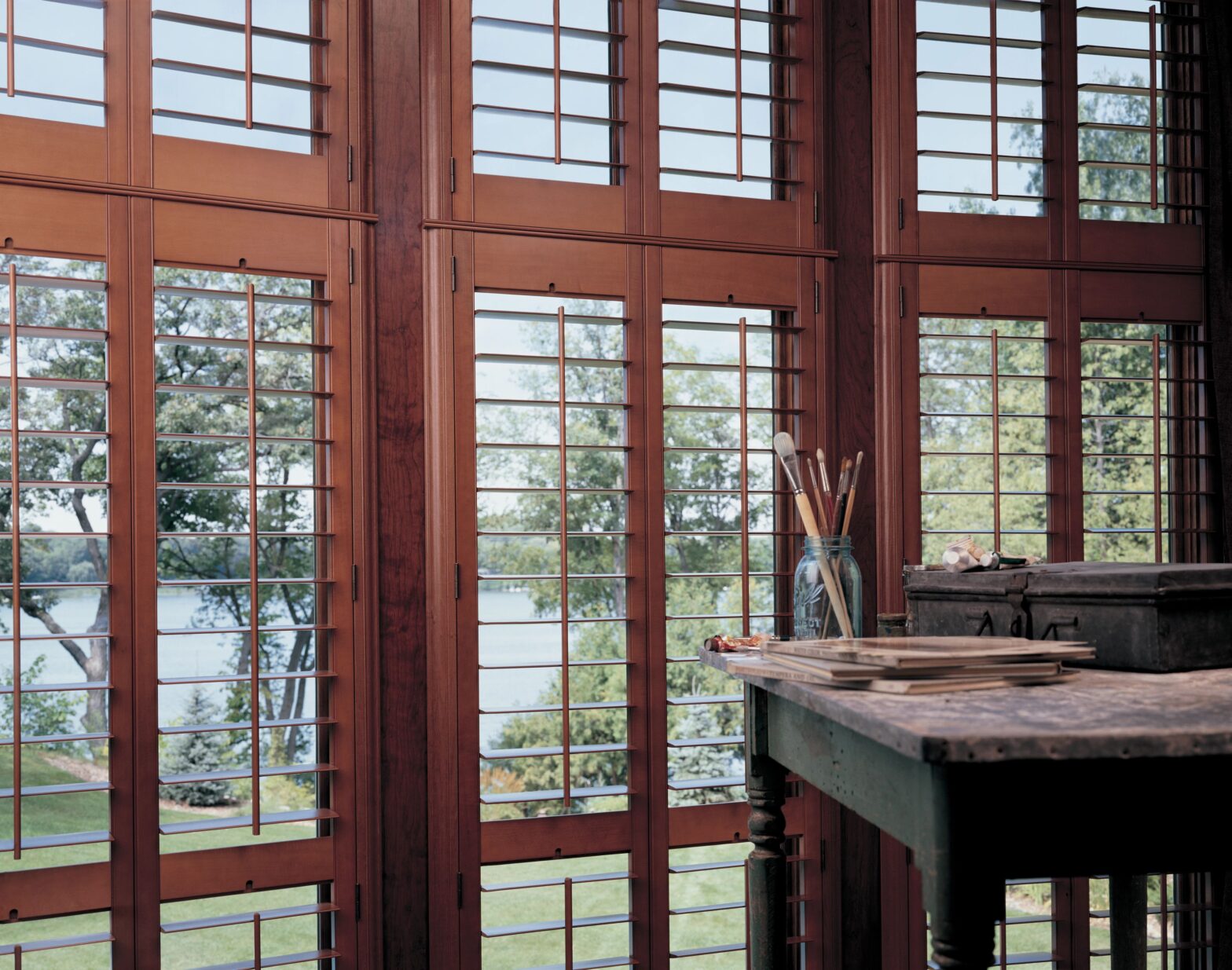
Layering texture that feels intentional helps a space to no longer be defined by just one finish or material. Where smooth meets rough, soft meets structured, and refined materials are paired with organic ones. Hardwood shutters, Alustra woven woods, and Provenance shades strongly connect to the design shift towards tactile materials, natural and mixed surfaces. Hardwood shutters provide structure, warmth, and evident artistry, anchoring interiors with architectural presence. Woven woods and Provenance use organic texture to add depth, softness, and visual movement that balances out as smoother surfaces. These shades bridge refinement and texture to create subtle dimensionality. When thoughtfully used together, these window treatments create interiors that feel warm and intentional.
Naming woven woods as one of the most literal expressions, these shades are made from natural materials like bamboo, grass, and reeds to introduce irregular textures that cannot be replicated by synthetic materials. Woven wood feels more alive than dull due to the different variations in colour, weave, and thickness, adding warmth and depth to a space.
Overall, interiors are becoming more textural and more soulful. Materials and finishes are chosen to feel real, crafted, and timeless, creating spaces that feel inviting and lived in rather than simply styled.
Flexible and multifunctional spaces are becoming increasingly important. As work from home and hybrid living remains popular, homes are being designed to adapt, with rooms that can function as lounges, home offices, cozy reading nooks, or entertainment areas.
Comfort, warmth, and a sense of quiet luxury are becoming central to design. There is a shift toward spaces created for well-being, using calm color palettes, natural materials, soft lighting, comfortable seating, and relaxed layouts that feel genuinely inviting. 
The Aura Illuminated Shades compliment lifestyle, layout, and wellness living by promoting, environments that are adaptable, personal, and intentionally designed. Aura adjusts to how people use their homes during the day, transitioning from natural daylight to soft ambient illumination. This integration can be scheduled on your mobile device, reducing the need for additional fixtures. Effortlessly adjust light brightness, light colour, temperature variations, and privacy for innovation at its finest. This enables a single room to be multifunctional, by combining work from home and hybrid living. In homes where wellbeing, adaptability, and atmosphere are just as important as functionality, the Aura Shade improves everyday living.
Personalization and layered styling are also becoming key. Instead of uniform designs, interiors in 2026 lean toward curated spaces that mix old and new pieces, varied textures and tones, standout items and subtle details, all reflecting individual taste and lifestyle.
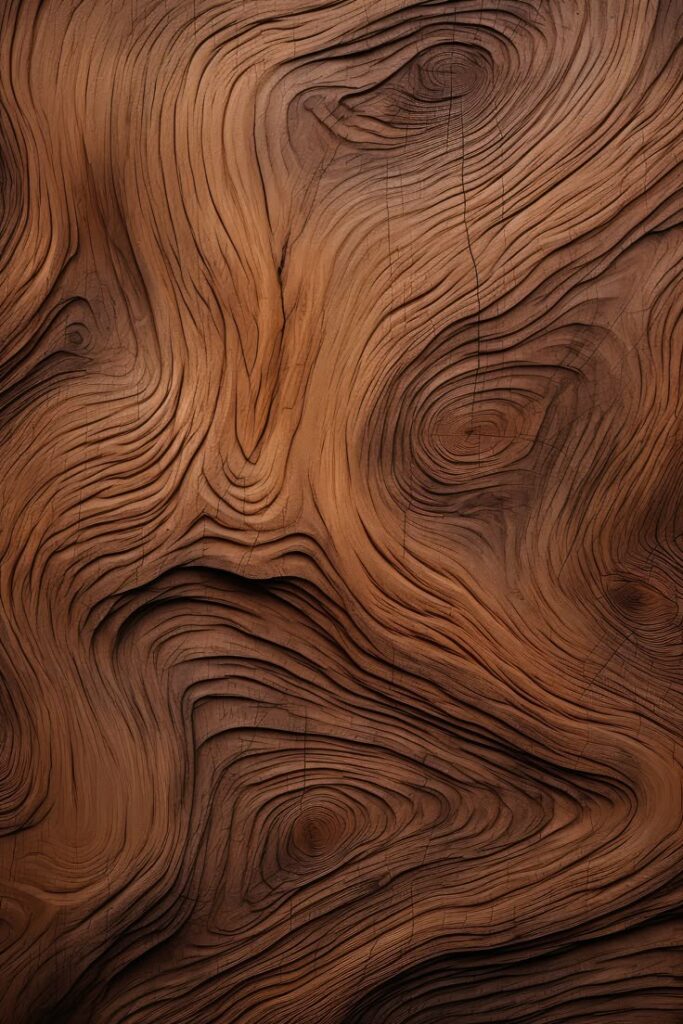
Statement surfaces and materials are taking on a decorative role. Stone countertops and tabletops with dramatic veining, bold wood grains, and mixed material pieces are becoming focal points that add character and sophistication well beyond the furniture itself.
Overall, homes in 2026 are centered around how we truly live, prioritizing flexibility, comfort, and personality. The goal is to create spaces that are not only beautiful, but also lived in, loved, and deeply meaningful.
Curate furnishings as statements by prioritizing sculptural, tactile, and expressive pieces. Choose curved sofas, layered textures, and mixed materials that create visual impact. Offer color palettes rooted in warmth and depth. Earth tones, layered tonal schemes, and rich accent colors are preferred over cool and minimal neutrals. Champion quality, sustainability, and material integrity. Use natural, handcrafted, or locally sourced materials, along with finishes that age well and décor that feels curated rather than disposable.
Design for real life by emphasizing flexibility and comfort. Plan rooms that adapt easily, select pieces that serve multiple functions, and create layouts that feel personal and truly lived in. Use texture, detail, and contrast with intention. Mix surfaces, finishes, and materials to build depth, character, and a sense of luxury that feels authentic.


