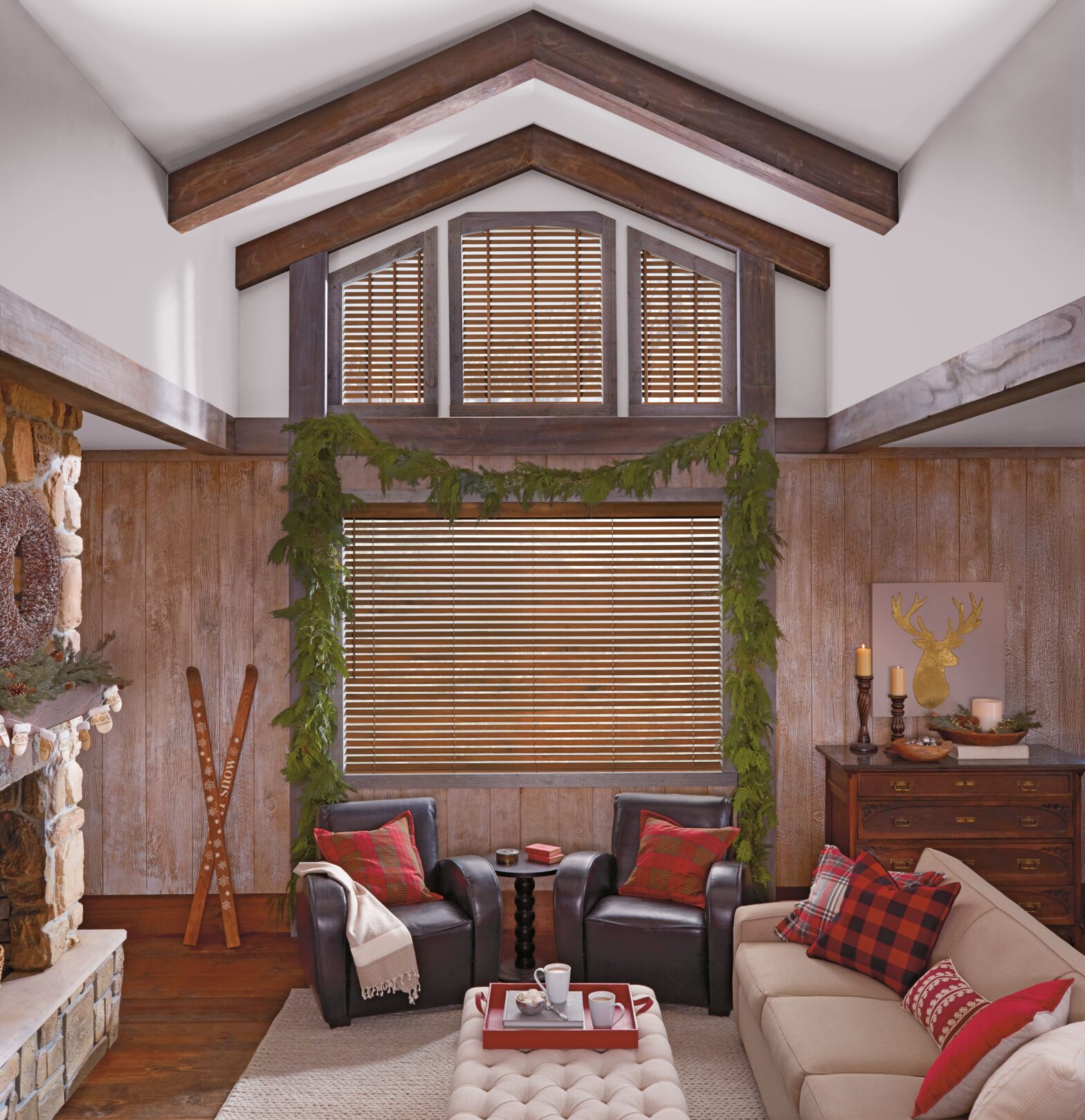
The holiday season presents a unique opportunity to refresh your home, make it more inviting, and create an atmosphere that reflects warmth, celebration, and togetherness. Adding ornaments and hanging lights is only one aspect of holiday decorating; another is making intentional design decisions that improve your space and make every visitor feel better.
Here is a helpful and informative guide, offering practical advice, design principles, and easy steps for designing during the holidays.
Choosing a theme informs your colour choices, décor style, and overall aesthetic. A theme helps your room appear unified and cohesive, rather than cluttered.
To tie everything together, select two or three primary colours and use them consistently throughout the house.
Holiday design doesn’t need to take over every corner of your home. Concentrate on the spaces people see and use most.
Your home will feel festive without being overwhelming if you purposefully decorate these areas.
One essential interior design strategy is layering, which works particularly well around the holidays.
Layering adds dimension and helps your décor feel rich and purposeful.
Nature brings warmth, freshness, and authenticity to holiday design.
These elements work with any style and help soften highly glossy or metallic pieces.
Lighting is one of the most important components of holiday decorating.
Cool-toned lights provide a crisp, wintery look, while warm white lights provide a comforting atmosphere.
Holiday design shouldn’t make your home feel cluttered. Instead of adding more items, consider replacing or rotating your décor.
Examples:
This keeps your space functional and visually organized.
Holiday gatherings often mean more guests in your home, so your design choices should encourage flow and comfort.
A well-designed holiday space should feel festive and practical.
Even if every room doesn’t get full holiday décor, simple accents help create cohesion.
This creates a sense of continuity as you move from room to room.
Holiday design works best when it appeals to more than just the eyes.
Using multiple senses makes your holiday home feel immersive and memorable.
Design is about emotion and connection, not just beauty. Holidays are the perfect opportunity to spotlight items that matter.
These thoughtful details make your holiday design feel warm, cozy, and authentic.
Holiday decorating is more than adding festive items; it’s an opportunity to thoughtfully enhance your space, create meaningful memories, and set the tone for the season. You can create a festive space that is both aesthetically pleasing and practical by utilizing design features like layering, lighting, natural components, and unified colour schemes.
Whether you prefer a classic Christmas look, a minimalist winter design, or a rustic, natural feel, the goal is the same:
Create a home that feels welcoming, festive, and full of seasonal joy.


